
Canadian Prime vs. AAA Beef: Are Australian and New Zealand Beef Better-Value Alternatives?
A wholesale beef buying guide for BC restaurants, butcher shops, and grocery stores
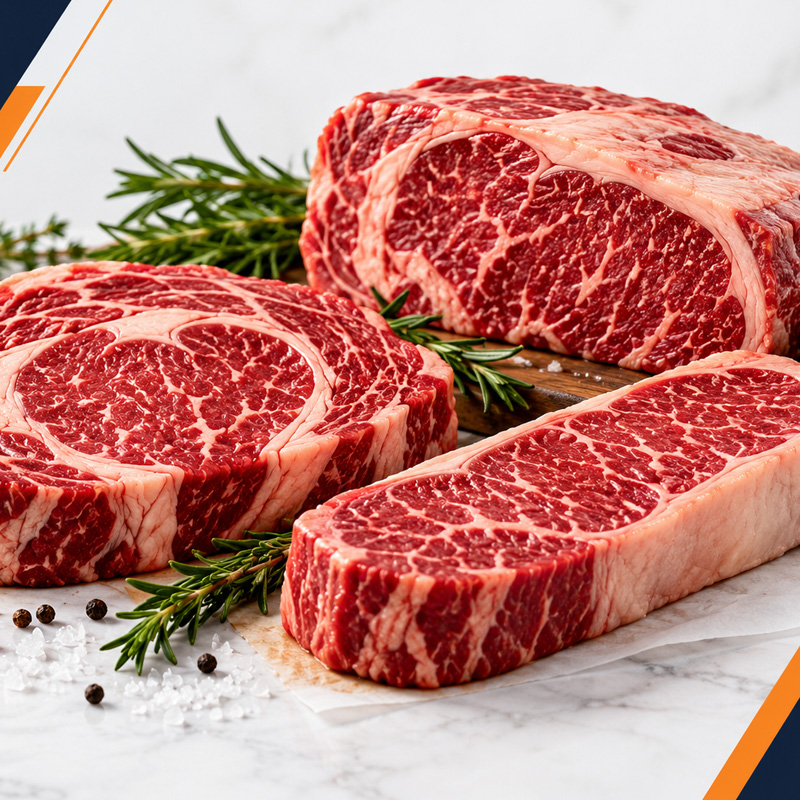
Whether you’re celebrating a special occasion or creating a memorable dining experience for your customers, Canada Prime beef represents some of the finest beef available. Exceptionally marbled, juicy, and rich in flavour, Canada Prime delivers premium steakhouse quality with minimal seasoning or preparation. Popular cuts such as striploin, ribeye, and prime rib are particularly impressive when selected in this top Canadian beef grade.
For decades, Canadian AAA and Prime beef have been preferred choices for premium steakhouses, restaurants, and grocery stores across British Columbia.
However, rising beef prices are changing how foodservice businesses approach purchasing. As restaurants and retailers look for ways to manage costs without sacrificing quality, imported beef from Australia and New Zealand is becoming an increasingly attractive alternative.
At Newton’s Hi-Quality Meats, we believe choosing the right beef is about balancing quality, flavour, application, and budget.
Understanding Canadian Beef Grades: Prime, AAA, and AA
Canada’s beef grading system helps buyers identify quality characteristics, particularly marbling, which refers to the fine streaks of intramuscular fat that contribute to flavour, tenderness, and juiciness.
Canada Prime Beef
Canada Prime represents the highest Canadian beef quality grade, featuring abundant marbling and excellent eating characteristics. It is particularly suitable for premium steakhouses, upscale dining establishments, and special-occasion menus where tenderness and presentation are priorities.
Canada AAA Beef
Canada AAA offers substantial marbling and a balance of flavour, tenderness, and consistency. It is widely used by steakhouses, restaurants, butcher shops, and grocery stores looking for high-quality Canadian beef.
Canada AA Beef
Canada AA generally has less marbling than AAA or Prime but remains an excellent choice for many foodservice applications. With proper cut selection and preparation, AA beef can deliver satisfying results at a more accessible price point.
The most expensive grade is not necessarily the best choice for every dish. A restaurant serving grilled ribeye steaks may prioritize marbling, while an operation preparing beef stir-fries, curries, stews, or marinated dishes may find other grades and specifications more economical.
Why Have Canadian Beef Prices Increased So Much?
The Canadian beef industry has faced significant supply and cost pressures in recent years. Prolonged drought conditions, elevated production costs, and historically low North American cattle inventories have contributed to tighter supplies and higher market prices.
According to a November 2026 CBC report citing Statistics Canada, Canadian retail beef prices have increased approximately 55.5% over the past five years.
Although prices have shown signs of stabilization during 2026, beef remains expensive compared with historical levels. These retail figures illustrate broader market pressure; individual wholesale prices depend on the cut, grade, supplier, and purchasing conditions.
For BC restaurants, this creates difficult decisions. Beef is an important menu item, but rising ingredient costs can put pressure on food margins, particularly for businesses that depend on consistent pricing and predictable supply.
While supporting Canadian farmers and producers remains important, many foodservice operators are exploring additional sourcing options to manage their purchasing budgets.
Australian Beef: A Quality Alternative with Competitive Pricing
Australia is one of the world’s established beef-exporting countries, supplying international markets with a wide range of beef products. Australian cattle production benefits from extensive grazing regions and established pasture-based farming systems. Depending on the region and production method, cattle may be raised primarily on grass or finished on grain. Grass-fed Australian beef generally has a leaner profile than highly marbled grain-fed beef, with a distinctive beef flavour and firm texture.
Why Can Australian Beef Be More Economical?
Several factors can contribute to competitive pricing:
- Extensive pasture-based production systems in suitable regions (Grass is free!).
- Large-scale export operations and established international supply chains.
- Different cattle types, finishing methods, and product specifications.
- Market conditions, exchange rates, and international demand.
For certain products, these advantages can help Australian beef compete favourably with Canadian beef. In fact, Statistics Canada reported that competitively priced Australian beef imports contributed to downward pressure on Canadian slaughter cattle prices in September 2026.
New Zealand Beef: Grass-Fed Quality and Versatility
New Zealand is another established supplier of quality beef to international markets.
Its temperate climate, rainfall, and extensive pastureland support a predominantly grass-fed cattle industry. New Zealand beef is known for its naturally beefy flavour and generally leaner characteristics, making it an attractive option for restaurants and foodservice businesses seeking dependable meat products.
Because grass-fed beef typically has less intramuscular fat than highly marbled grain-finished beef, its flavour and cooking characteristics can differ from Canadian AAA or Prime.
However, less marbling does not automatically mean lower quality. The suitability of a product depends on the cut, tenderness, specification, and cooking method.
Can New Zealand Beef Compare with Canadian AA?
For certain products and applications, selected New Zealand beef can provide eating quality comparable to what customers expect from Canadian AA beef.
New Zealand beef can be a practical choice for restaurants preparing steaks, roast beef, beef noodles, stir-fries, stews, curries, and other dishes where the preparation method is as important as marbling.
Premium Beef Isn’t Always Necessary for Every Menu
For restaurant owners and professional buyers, purchasing the most expensive beef for every application is rarely the most efficient strategy.
Consider these examples:
Premium steaks: Canadian AAA or Prime ribeye, striploin, and tenderloin are excellent choices when marbling, tenderness, and premium presentation are important.
Everyday steak entrees: Selected Canadian AA, Australian, or New Zealand beef products may offer good value when the cut and eating characteristics meet menu requirements.
Asian stir-fries and marinated beef: Proper cut selection, slicing technique, and marination can be more important than purchasing a heavily marbled grade.
Slow-cooked beef dishes: Beef brisket, chuck, shank, and other suitable cuts can deliver excellent flavour through braising and slow cooking without requiring premium steak grades.
Ground beef and processed meat products: Buyers can select appropriate trimming and lean-to-fat specifications based on the intended finished product.
Choosing beef according to its culinary application can help restaurants control ingredient costs while maintaining menu consistency.
Frozen and Utility-Specification Beef: More Options for Commercial Buyers
In addition to premium Canadian and imported beef, Newton’s Hi-Quality Meats supplies a selection of frozen beef products, including utility grade options from Canadian and international sources, depending on availability.
These products can provide economical alternatives for applications where premium marbling is not essential. Depending on the product specifications, frozen beef may be appropriate for ground meat production, sausages, prepared meals, braised dishes, stews, and other commercial food processing uses. Frozen storage can also help businesses maintain inventory flexibility and plan purchasing around seasonal demand.
Supporting Canadian Beef While Offering More Choice
Canadian beef remains an important part of Newton’s wholesale product range.
We continue to support Canadian producers and supply quality Canadian beef to restaurants, butcher shops, grocery stores, and foodservice businesses across British Columbia.
At the same time, we recognize that different customers have different budgets, menus, and product requirements. By offering Canadian beef alongside selected Australian, New Zealand, and other imported products, we help businesses access a broader range of choices.
Your Trusted Wholesale Beef Supplier in BC Since 1972
With more than 50 years of industry experience, Newton’s Hi-Quality Meats understands the challenges of purchasing beef for commercial foodservice operations.
Our extensive wholesale catalogue includes Canadian beef in multiple grades, imported beef products, specialty meats, and frozen options for different commercial applications.
Our knowledgeable team can recommend suitable available cuts and specifications based on your menu, preparation method, and budget. Customers carry out their own final cutting, portioning, and cooking as required.
Whether you’re operating a steakhouse, Chinese restaurant, Korean barbecue restaurant, butcher shop, grocery store, or commercial kitchen, Newton helps simplify wholesale meat sourcing.
Looking for More Economical Wholesale Beef Options?
Contact Newton’s Hi-Quality Meats to explore Canadian AA and AAA beef, Australian and New Zealand imported beef, and frozen beef options.
Our sales team can help you find suitable beef for your business.